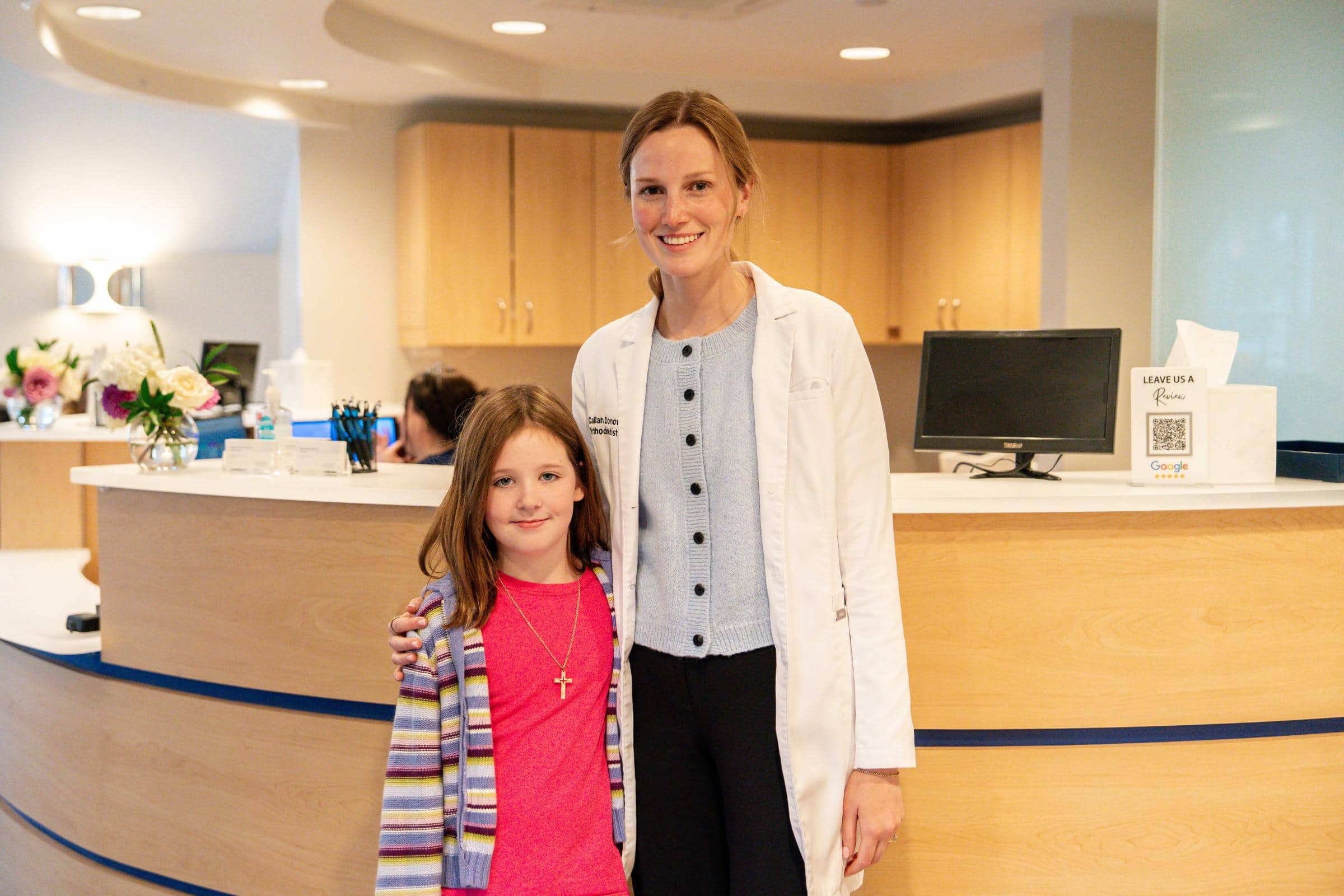
Your toddler just cut their first tooth, and now you’re wondering when to book that first visit. You’re not alone. Pediatric dentistry is a specialized field where doctors complete additional years of training specifically to treat infants, kids, and teens. These specialists create kid-friendly environments that make visits feel comfortable rather than intimidating. From routine checkups and fluoride applications to early orthodontic screenings, pediatric doctors focus exclusively on the unique needs of kids’ developing teeth and jaws. Practices like coppe + sears in Lexington, MA have built their entire approach around this kind of kid-first dental care.
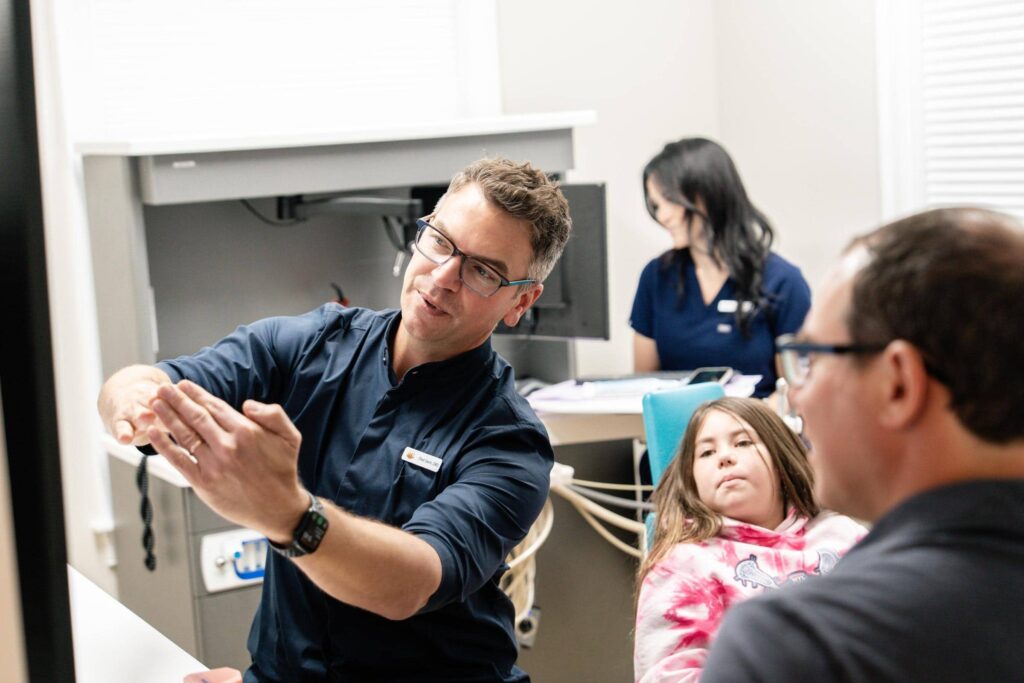
What Is Pediatric Dentistry and Why Does It Matter?
Pediatric dentistry is a branch of dentistry focused on oral health for infants, kids, and teens. According to the American Academy of Pediatric Dentistry (AAPD), pediatric doctors complete two to three additional years of residency training after dental school. This specialized education covers child psychology, growth and development, and techniques for treating kids who may feel anxious or have special healthcare needs.
The environment matters just as much as the clinical expertise. Pediatric practices are built with kids in mind. You’ll find smaller equipment, engaging waiting areas, and team members trained to communicate with kids at their level. Over time, kids start associating visits with positive experiences rather than fear, and that shift makes a real difference as they grow up.
How Pediatric Dentistry in Lexington Works: What to Expect
A pediatric visit typically includes a gentle exam of teeth, gums, and jaw, along with cleaning and fluoride application. The AAPD recommends scheduling your kid’s first visit by age one or within six months of the first tooth erupting. This might seem early, but these initial visits establish a trusted relationship between your family and your kid’s doctor.
During a typical first visit, the doctor will:
- Gently examine your kid’s teeth, gums, and jaw for any early concerns
- Look for signs of decay or developmental issues
- Your kid’s teeth will be cleaned and fluoride will be applied when appropriate
- Talk with you about brushing techniques, diet, and oral habits like thumb-sucking or pacifier use, covering everything from bottle habits to teething questions
Most kids should visit the doctor every six months after that first visit. Regular checkups allow the team to catch small issues before they become bigger problems. Think of it as staying ahead of trouble rather than reacting to it.
One option gaining popularity is silver diamine fluoride (SDF), a non-invasive liquid that can stop cavities from progressing. It’s completely painless and particularly helpful for very young kids or those who feel anxious about traditional cavity fillings.
Key Benefits of Pediatric Dentistry for Your Child
There are real reasons families choose a pediatric specialist over a general doctor, and they go beyond just the colorful waiting room. Here are the main advantages:
- Early detection of cavities and alignment issues
- Reduced anxiety through kid-friendly communication
- Cost savings from preventative visits
- Habit formation that lasts into adulthood
- Early orthodontic screening
Early Detection Saves Time and Money
Pediatric doctors are trained to spot cavities, alignment issues, and developmental concerns at their earliest stages. Catching a small cavity early means a simpler fix. Identifying a bite problem at age seven can make orthodontic correction far easier down the road. At practices like coppe + sears, this kind of early screening is built into every routine visit.
Why Reduced Anxiety Matters for Kids
Pediatric practices use age-appropriate language and techniques. Your kid hears friendly explanations they can understand, not clinical jargon. This communication style, combined with a welcoming environment, helps kids feel at ease. A kid who feels safe at the doctor today becomes an adult who actually keeps their visits tomorrow.
Preventative Visits Protect Your Wallet
Sealants, fluoride applications, and regular cleanings cost far less than fillings, crowns, or extractions. Investing in prevention now can save your family significant expense later, and many insurance plans fully cover preventive visits for kids.
Building Habits That Stick
When kids learn proper brushing and flossing techniques early, those habits tend to last. Pediatric doctors partner with parents to reinforce good oral hygiene at home. The American Association of Orthodontists (AAO) also recommends an orthodontic checkup by age seven, and many Lexington practices coordinate with orthodontists or offer orthodontic services under one roof.
Pediatric Doctor vs. General Doctor: Which Is Right for Your Family?
Both pediatric and general doctors can treat kids, but there are meaningful differences to consider.
| Factor | Pediatric Doctor | General Doctor |
|---|---|---|
| Training | 2-3 extra years of pediatric residency | General education |
| Office Setup | Kid-focused with smaller equipment | Built for all ages |
| Behavior Management | Specialized techniques for anxious kids | Varies by practice |
| Special Needs | Extensive training | Limited training |
| Age Range | Infants through teens (some see patients into college) | All ages, which can be convenient for the whole family |
Pediatric doctors spend their entire careers working with kids. They understand how to communicate with a nervous three-year-old and how to make a teenager feel respected. Their practices feature kid-sized chairs, engaging distractions, and team members who genuinely enjoy working with young families.
General doctors certainly can treat kids, and many do so skillfully. But if your kid has anxiety around visits, special healthcare needs, or requires more than routine care, a pediatric specialist is often the better choice. When researching options in Lexington, MA, look for credentials from the American Board of Pediatric Dentistry. Doctors who hold this certification have demonstrated their expertise through rigorous examination. The doctors at coppe + sears in Lexington hold board certification from the American Board of Pediatric Dentistry.
How Much Does Pediatric Dentistry Cost?
Pediatric dentistry typically costs about the same as general dentistry. Routine checkups generally range from $50 to $150 without insurance. Many insurance plans fully cover preventive visits for kids.
Does Insurance Cover Pediatric Visits?
Most plans cover preventive visits for kids at little to no cost. This typically includes exams, cleanings, and X-rays twice per year. Fluoride applications and sealants are frequently covered as well, though sometimes with age restrictions. Check with your carrier for specifics, since coverage varies by plan and provider network.
Can Preventive Visits Save Money Long-Term?
Absolutely. Sealants protect molars from decay for years. Silver diamine fluoride can halt early cavities without costly fillings and crowns. These small investments prevent larger bills later, which is one reason pediatric doctors in Lexington and elsewhere emphasize preventative care so strongly.
Costs do vary based on what your kid needs. Routine checkups are affordable, but costs increase if your kid needs fillings, crowns, or other restorative work. Ask about care plans and payment options before moving forward with any recommended work.
Are Orthodontic Consultations Free?
Coppe + Sears offers a free ortho consult. This lets you understand your kid’s needs without any financial commitment. If you don’t have insurance, ask about payment plans or financing options. Many practices offer online bill payment and flexible arrangements to make care accessible for all families in the Lexington, MA area.
When Should Your Kid See a Pediatric Doctor?
The short answer: all kids from infancy through the teen years benefit from seeing a pediatric specialist.
When Should You Schedule the First Visit?
Start by age one. Even before teeth appear, a pediatric doctor can assess gum health and discuss feeding habits that affect oral development. These early visits set the tone for a positive relationship with the practice. Kids with special healthcare needs especially benefit from seeing a pediatric specialist, since these doctors receive extensive training in adapting their approach for each kid’s unique situation.
What Warning Signs Should You Watch For?
Schedule a visit sooner if you notice any of the following:
- Tooth discoloration or visible spots
- Tooth or gum discomfort
- Persistent thumb-sucking or pacifier use past age three
- Difficulty chewing or avoiding certain foods
- Teeth that appear crowded or misaligned
When Should You Plan for an Orthodontic Screening?
Around age seven, your kid’s jaw and permanent teeth provide a useful snapshot of how their smile is developing. An orthodontic checkup at this age can identify issues that benefit from early intervention.
Frequently Asked Questions About Pediatric Dentistry
When do I start bringing my kid to the dentist?
The AAPD recommends the first visit by your kid’s first birthday or within six months of the first tooth appearing. This early start helps build a relationship with your kid’s doctor and allows the team to monitor development from the very beginning.
How often should my kid visit the dentist?
Every six months for routine checkups and cleanings is the standard recommendation. That said, some kids with higher cavity risk or ongoing concerns may need more frequent visits. Your pediatric doctor will recommend a schedule based on your kid’s individual needs, and that schedule may shift as they grow.
Does pediatric dentistry cost more than general dentistry?
Not typically. Preventive visits are often fully covered by insurance, and routine visits at a pediatric practice don’t usually cost more than what you’d pay at a general doctor’s office. The specialized, kid-friendly environment doesn’t come with a premium for standard services.
What is silver diamine fluoride and is it safe for kids?
Silver diamine fluoride (SDF) is a non-invasive liquid applied to cavities to stop decay from progressing. It’s painless and considered safe for kids. The main consideration is that it turns the treated area dark, so it’s most commonly used on baby teeth or less visible surfaces. Ask your pediatric doctor whether SDF makes sense for your kid during your next visit.
How do I know if my kid needs braces?
A free ortho consult can help determine whether your kid would benefit from orthodontic work. Signs that suggest evaluation include crowded teeth, difficulty biting or chewing, mouth breathing, or teeth that don’t meet properly. Many practices in Lexington offer free consultations, making it easy to get professional guidance without commitment. You might be surprised how early some of these issues can be spotted and addressed.